Written by Davis Mullins, Wild Stew Field Crew Member.
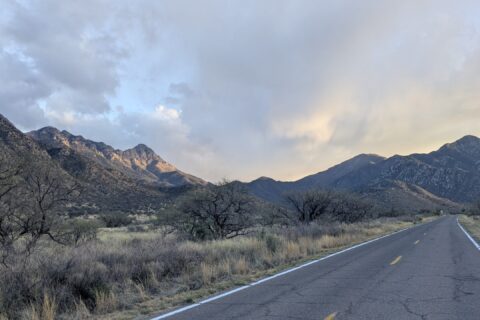
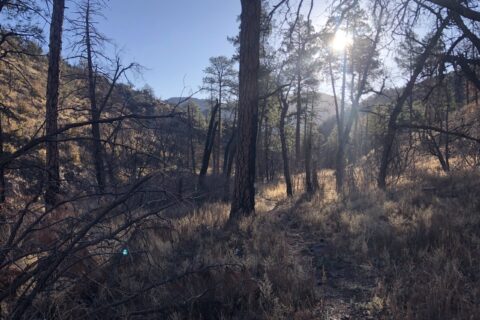
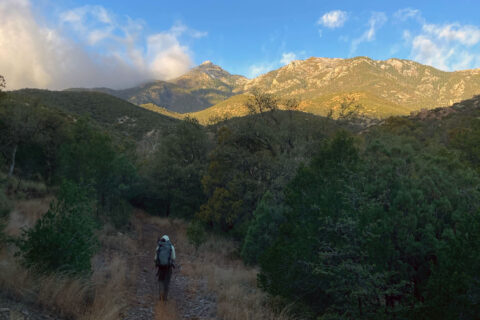
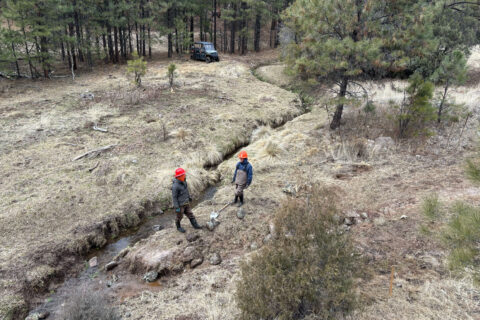
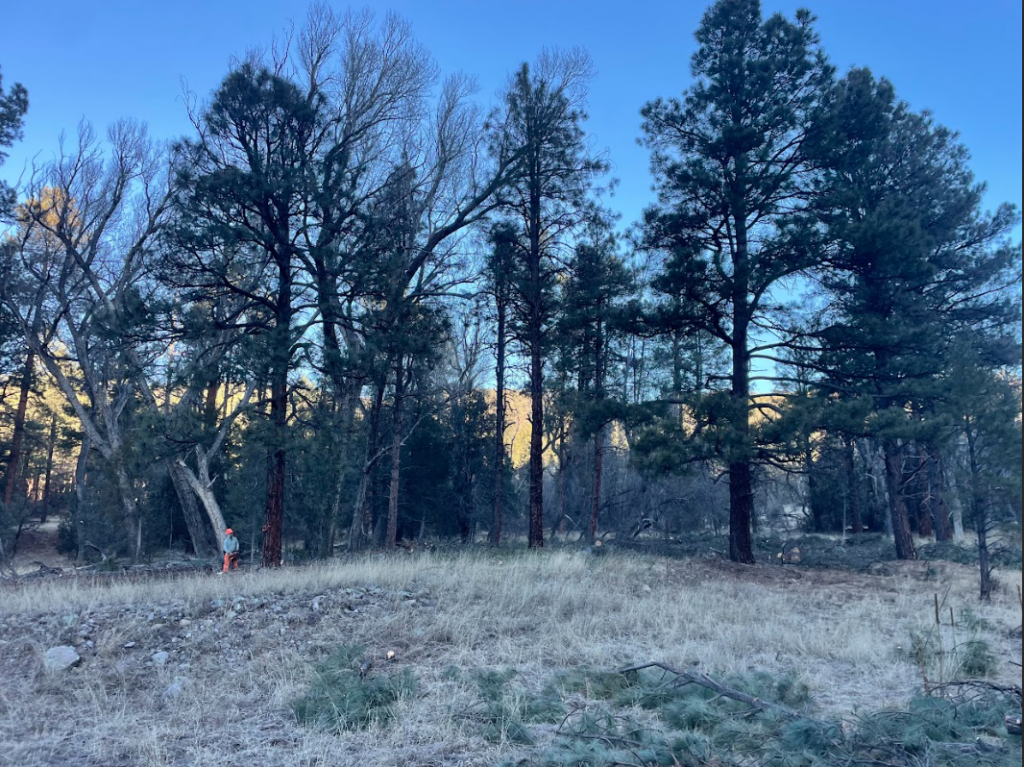
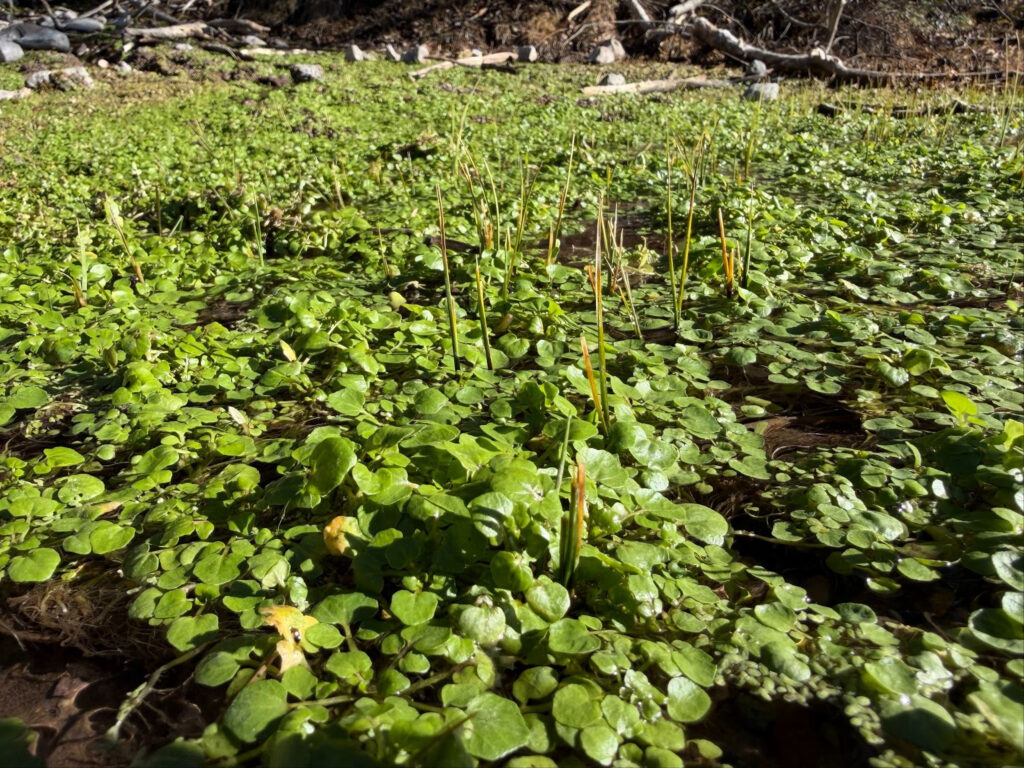
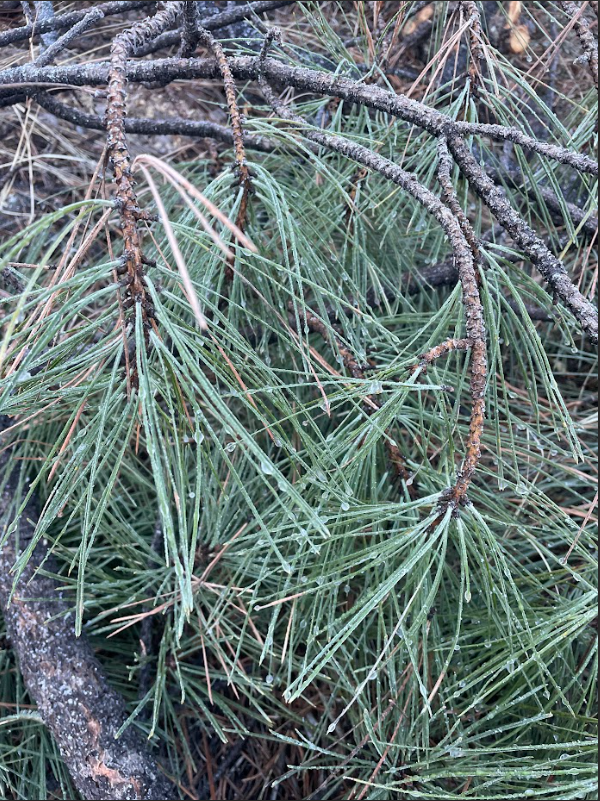
This hitch the crew returned to the fan favorite Dry Blue Creek just east of the Blue River near Alpine for the first time in the new year. Our goal remained the same as the many hitches before: to restore the meadow habitat of the Dry Blue by thinning ponderosa pine and juniper that is encroaching on the canyon bottom meadows and cottonwood/willow riparian habitat; and reduce fuel density to make the area more resilient to wildfire. We arrived with a trailer full of chainsaws (our first C!) and got to work.
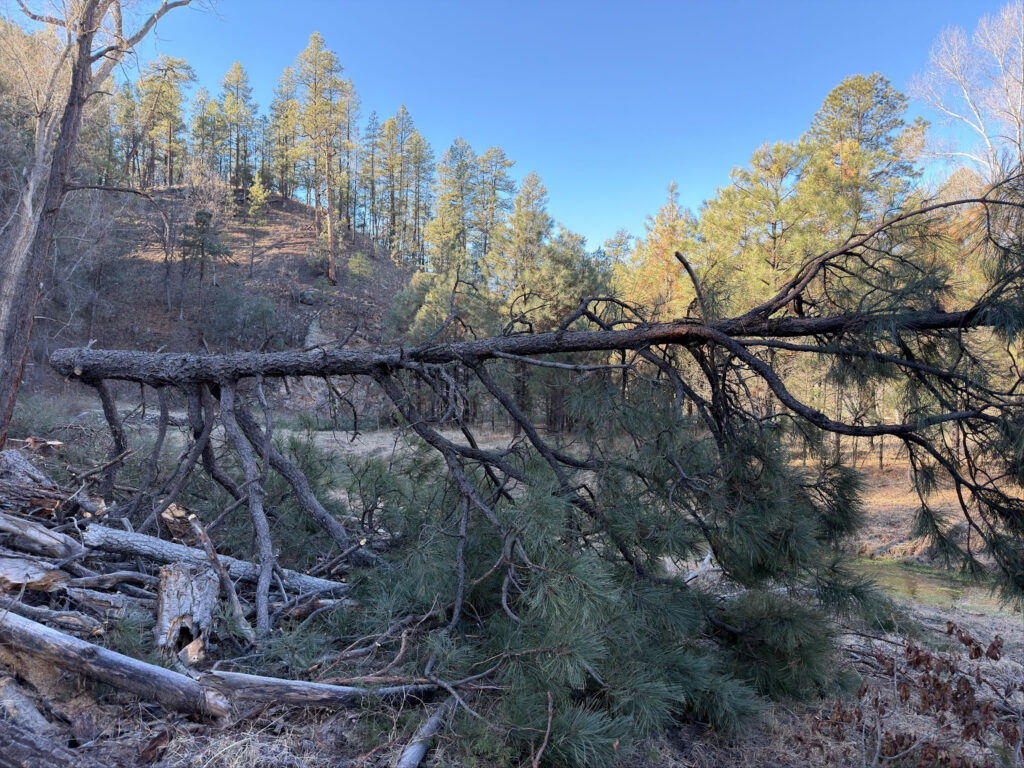
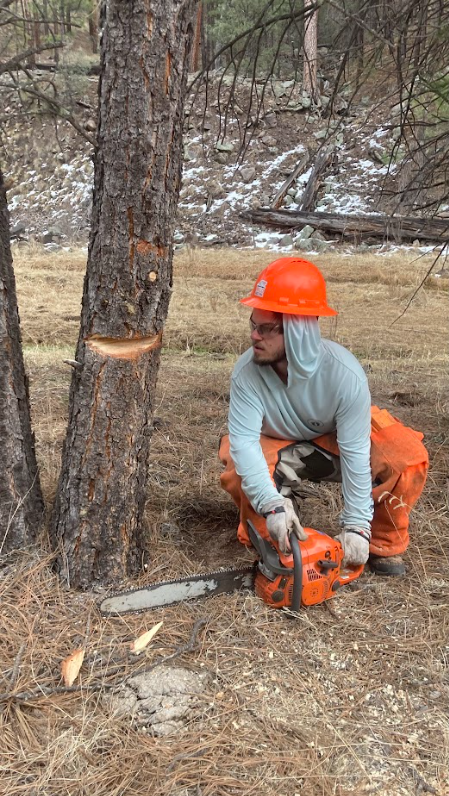
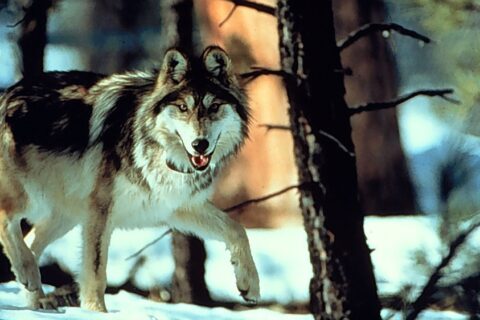
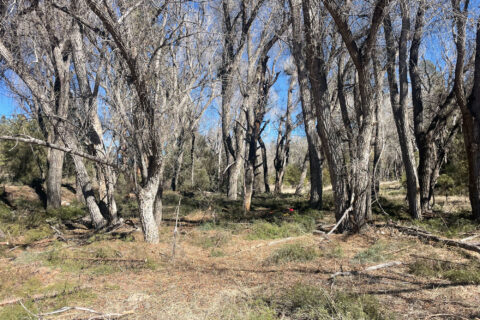
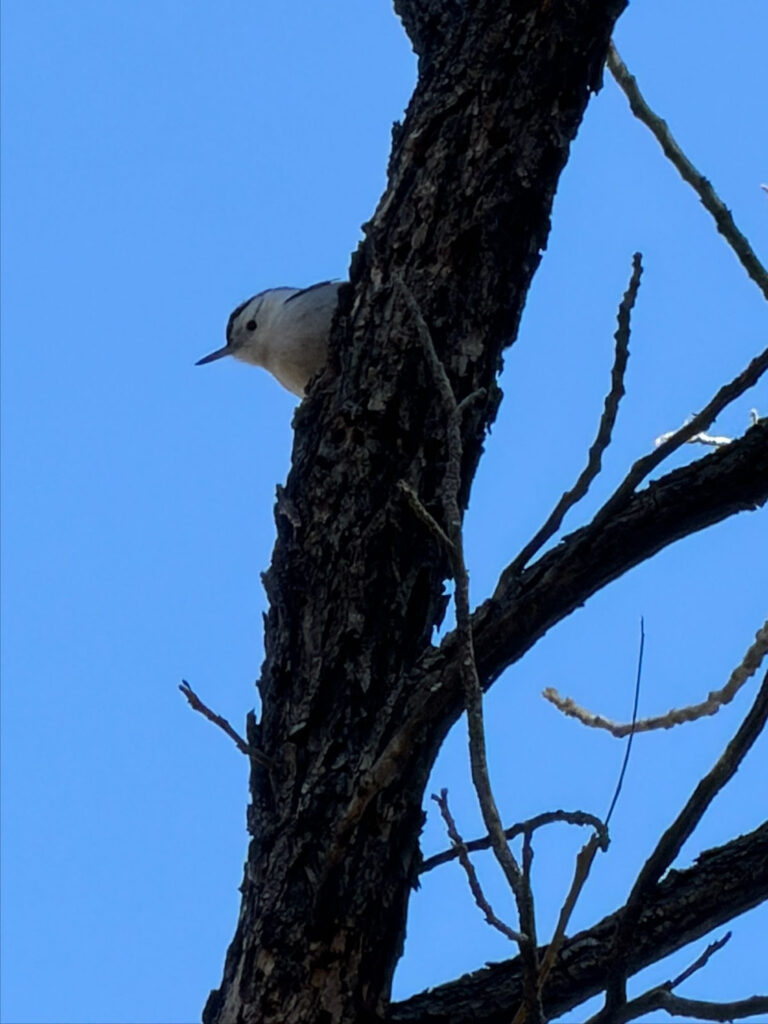
Riparian zones are often some of the most important habitats for the health of surrounding habitats, animals, and communities. They can serve as natural flood controls, water purifiers, and food sources for animals and people. The importance of restoring this meadow to its natural state makes the work feel so rewarding, and each tree we send to the ground that much more satisfying. There’s already a notable difference in the creek since my first hitch here in October, even the resident wildlife has noticed and is starting to enjoy the new more open spaces.
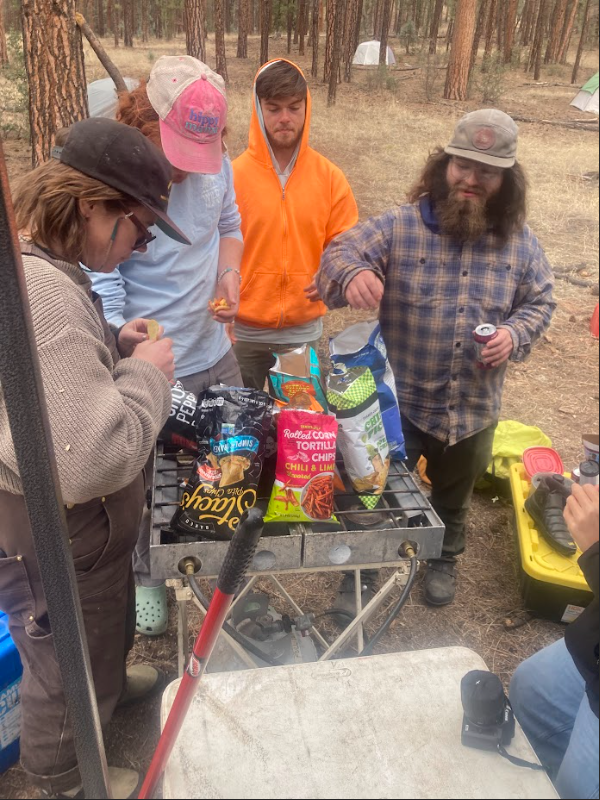
As a reward for all our hard work and efforts, the Dry Blue thought it would be fun to grace us with sub-freezing temps every morning and evening. Despite the overwhelming generosity of this amazing gift, unfortunately humans (unless you’re Max) were not built to survive those frigid temps. When there was no more work left for the day we returned to camp and kept warm by making group meals, sitting around the campfire (#2!), and sharing stories of our personal heroes such as Michel Lotito and Mr. Wojak.
All in all we were able to fell 1,810 trees this hitch and complete thinning along 11 acres of canyon bottom. It was a great way to start the first of multiple 2026 hitches in the Dry Blue.